




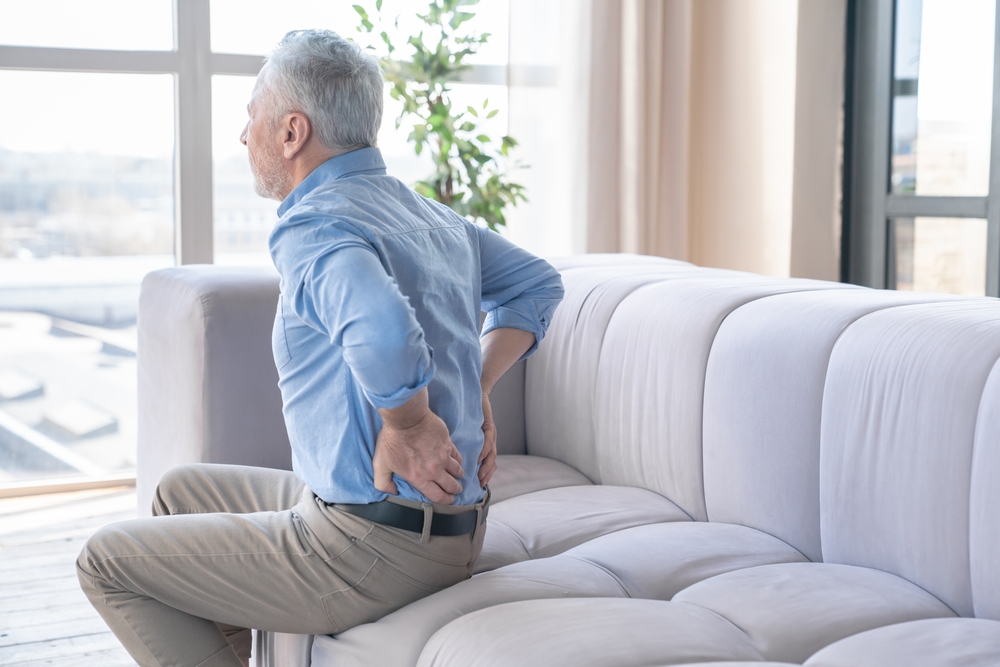
Living With Chronic Pain: How Integrative Care Can Support Relief Alongside Medical Treatment
Florida Acupuncture and Counseling, Inc. | www.florida-acu.com
February 2026
by: Jason Hartz, CFO, Office Manager
Chronic pain can affect every aspect of daily life — sleep, mood, mobility, relationships, and overall quality of life. Many individuals navigating persistent pain feel caught between wanting relief and feeling unsure about the best long-term path forward.
For some people, medication is an important and appropriate part of pain management. It can reduce suffering, improve function, and provide stability during acute flare-ups or complex medical conditions.
At the same time, many individuals also benefit from additional strategies that address the physical, emotional, and neurological components of pain.
Chronic pain is rarely one-dimensional, and care often works best when multiple supportive approaches are combined.
Chronic Pain Involves More Than Physical Injury
Pain can begin with injury, inflammation, or medical conditions, but when it becomes persistent, the nervous system itself may become sensitized.
Over time, stress, muscle guarding, emotional strain, posture patterns, and reduced movement can reinforce pain pathways, even when the original injury has improved.
This does not mean pain is “in your head.” It means the nervous system has learned to stay in a protective state.
Effective pain care often involves calming this protective response while supporting physical healing and emotional resilience.
Medication as a Valuable Part of Pain Care
Medication can be a critical component of treatment for many individuals. Depending on the condition, medications may:
-
Reduce inflammation
-
Improve nerve-related pain
-
Support sleep and emotional stability
-
Help individuals remain functional during difficult periods
-
Allow participation in physical therapy or daily activities
For some individuals, medication is temporary. For others, it may remain an important long-term support.
Integrative care does not replace appropriate medical treatment. Instead, it can work alongside medical care to improve comfort, coping, and overall function.
Any decisions regarding medication should always be made in collaboration with a qualified medical provider.
How Acupuncture Supports the Nervous System
Acupuncture is commonly used as a complementary therapy for chronic pain because it supports nervous system regulation and circulation.
Many individuals report that acupuncture helps:
-
Decrease pain intensity and frequency
-
Reduce muscle tension and inflammation
-
Improve sleep quality
-
Promote relaxation without sedation
-
Support emotional calm during ongoing health challenges
By helping the body shift toward parasympathetic activity, acupuncture may reduce the amplification of pain signals and support the body’s natural recovery processes.
Counseling and the Emotional Impact of Chronic Pain
Living with persistent pain can be emotionally exhausting. Anxiety, frustration, grief, and fear of flare-ups are all common and can intensify physical symptoms.
Counseling helps individuals:
-
Develop coping strategies for unpredictable pain
-
Reduce anxiety and pain-related stress
-
Improve communication with loved ones and providers
-
Address sleep disruption and emotional fatigue
-
Rebuild confidence in movement and daily activities
Emotional support does not mean pain is psychological — it means individuals deserve tools to navigate the very real emotional weight that chronic pain carries.
Massage Therapy and Physical Relief
Chronic pain frequently leads to protective muscle tension, limited mobility, and reduced circulation. These physical responses can contribute to additional discomfort and fatigue.
Massage therapy can help:
-
Release muscle guarding and trigger points
-
Improve circulation and tissue mobility
-
Promote relaxation and stress reduction
-
Support recovery from tension headaches and postural strain
-
Enhance body awareness and comfort
For many individuals, massage creates a sense of safety that allows the body to relax and move more freely.
Integrative Care as Collaborative Support
The goal of integrative care is not to replace medical treatment, but to complement it.
When combined with appropriate medical care, acupuncture, counseling, and massage may help individuals:
-
Improve overall comfort and daily functioning
-
Enhance stress resilience
-
Support better sleep and recovery
-
Reduce the intensity of flare-ups
-
Feel more empowered in their care
Pain management is most effective when it is collaborative, individualized, and responsive to each person’s needs.
When to Consider Adding Holistic Support
Additional supportive care may be helpful if:
-
Pain persists despite medical treatment
-
Stress or anxiety worsens symptoms
-
Muscle tension contributes to discomfort
-
Sleep disruption interferes with recovery
-
You want to improve quality of life while continuing medical care
Seeking supportive care does not mean medical treatment has failed — it reflects a proactive and comprehensive approach to healing.
A Compassionate, Whole-Person Approach
Chronic pain can feel isolating, but individuals do not have to navigate it alone. Relief often comes from combining medical expertise with supportive therapies that address the mind, body, and nervous system together.
Improvement may be gradual, but meaningful progress is possible.
Support Is Available
At Florida Acupuncture and Counseling, we believe effective pain care is collaborative and individualized. Our services are designed to complement medical treatment while supporting physical comfort, emotional well-being, and nervous system regulation.
If you are living with chronic pain, a balanced and integrative approach may help you feel more supported, resilient, and engaged in daily life.